
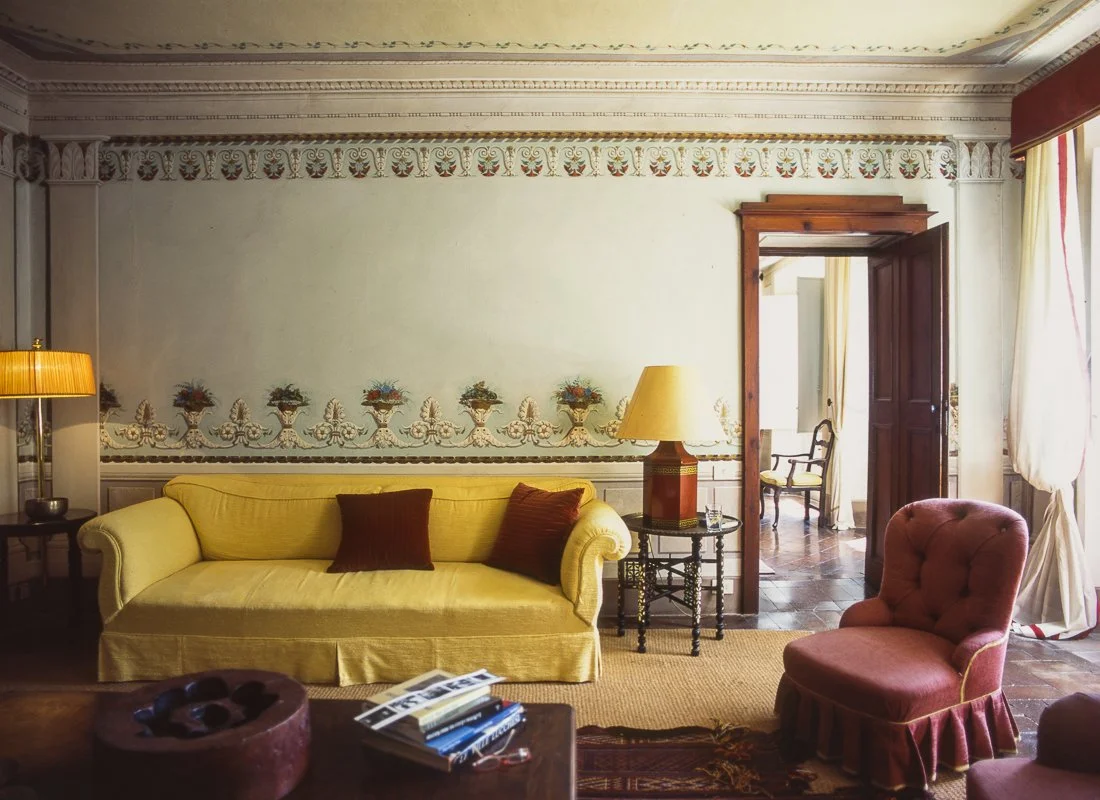
history
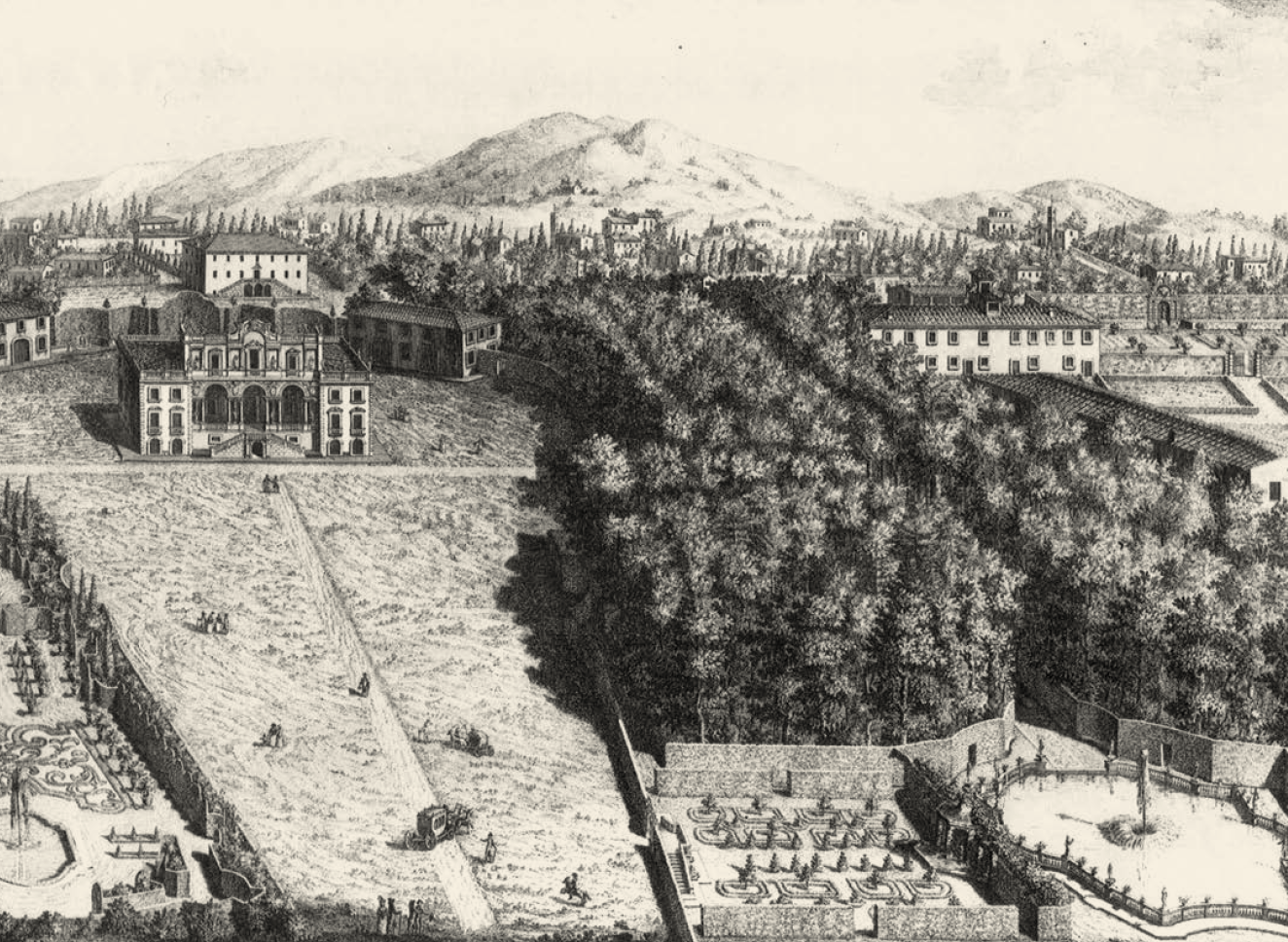
cenami spada
On the hills separating the Tyrrhenian coast from the rugged mountains of the Garfagnana, halfway between Lucca and the sea, lies Orbicciano—a small agricultural settlement that grew around the Cenami Spada family estate.
It is believed the main house was built on a 17th-century plan, gradually modified by its various owners. The first confirmed records of the villa date to December 12, 1763, when Vincenzo Favilla purchased the property and its agricultural lands from the Leonardi family for 8,000 scudi.
The lands and houses were documented again a few years later in the Terrilogio, commissioned by Iacopo Favilla in 1773. Through successive inheritances, the property passed from the Favilla family to the Bartolomei Sandonnini, whose coat of arms and motto, “Pugna pro patria,” still remain on the villa's facade. Finally, the estate passed from the Bartolomei family to Francesca Spada, who married Adolfo Cenami, uniting their names to form the Cenami Spada family. Over the years
farmhouse
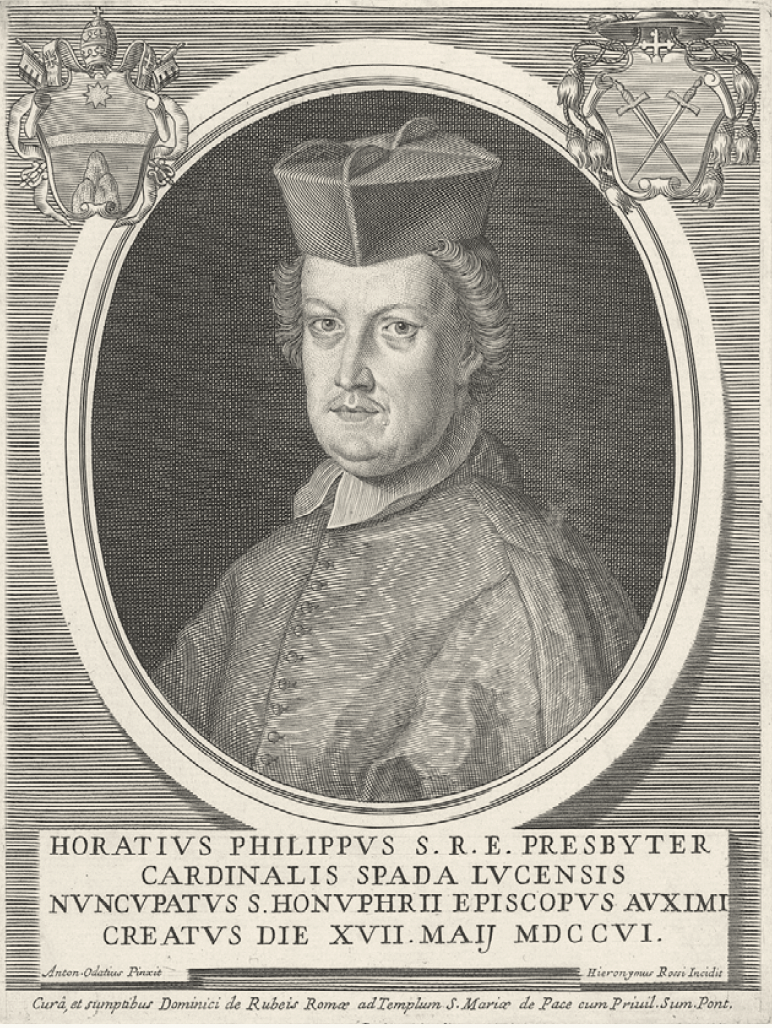
Although the estate only came into the possession of the Cenami Spada family around the mid-19th century, the presence of an illustrious ancestor, Cardinal Orazio Filippo Spada (1659–1724)—a patron and art collector—remains felt within the villa. It is the prelate's portrait, painted by the Lucchese artist Antonio Franchi (1638–1709), that greets guests in the library.
The property has remained substantially unchanged since it was surveyed by the Lucchese authorities in 1867. For nearly a century, the farm and villa served an essentially agricultural purpose, as the Cenami Spada family resided in Lucca at their palace in Piazza San Pietro Somaldi and spent the summer season at Villa Spada in San Colombano.
today
In the 1960s, Orazio Cenami Spada inherited the Orbicciano farm. This marked the beginning of extensive renovations for both the villa and the eleven farmhouses, along with the surrounding lands. The estate spans approximately 80 hectares, a portion of which produces an excellent extra virgin olive oil every year.
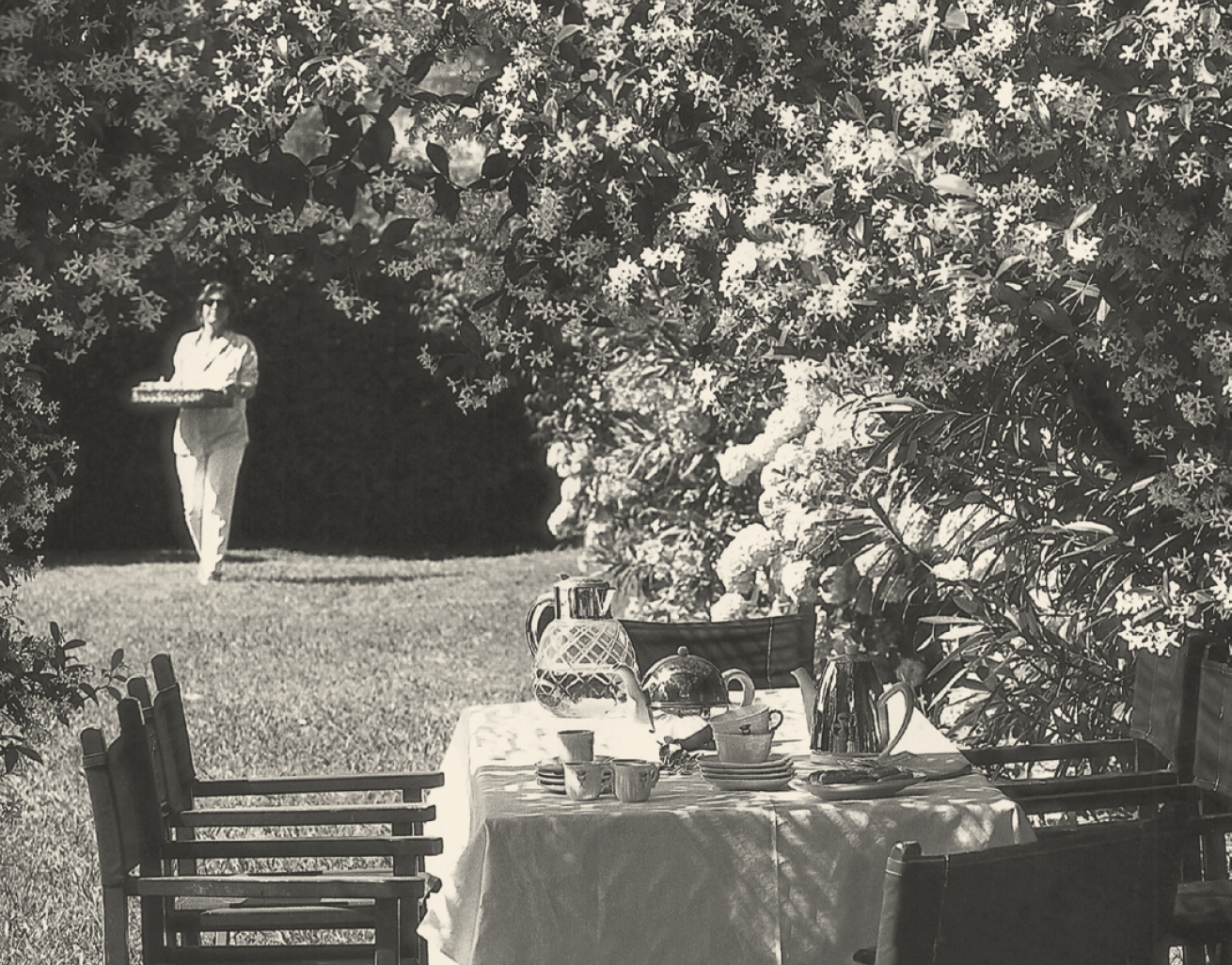
During this period, as the sharecropping system came to an end, the farmhouses were restored to be used for hospitality. Isabella, Orazio’s eldest daughter, led the restoration efforts; with love and passion, she welcomes families, artists, and intellectuals from all over the world to the villa and the surrounding houses.
Her children collaborate with her to offer a unique style of hospitality: Marco, an established chef, invites guests to taste his exquisite menus, while Luca, who lives in New York, promotes the estate to the American market.